A root canal is one of the most common dental procedures performed, well over 14 million every year. This simple treatment can save your natural teeth and prevent the need of dental implants or bridges.
At the center of your tooth is pulp. Pulp is a collection of blood vessels and nerves that helps to build the surrounding tooth. Infection of the pulp can be caused by trauma to the tooth, deep decay, cracks and chips, or repeated dental procedures. Symptoms of the infection can be identified as visible injury or swelling of the tooth, sensitivity to temperature or pain in the tooth and gums.
If you experience any of these symptoms, your dentist will most likely recommend non-surgical treatment to eliminate the diseased pulp. This injured pulp is removed and the root canal system is thoroughly cleaned and sealed. This therapy usually involves local anesthesia and may be completed in one or more visits depending on the treatment required. Success for this type of treatment occurs in about 97% of cases. If your tooth is not amenable to endodontic treatment or the chance of success is unfavorable, you will be informed at the time of consultation or when a complication becomes evident during or after treatment. We use local anesthesia to eliminate discomfort. In addition, we will provide nitrous oxide analgesia if indicated. You will be able to drive home after your treatment, and you probably will be comfortable returning to your normal routine.
With the appropriate care, your teeth that have had endodontic treatment will last as long as other natural teeth. Yet, a tooth that has received treatment may fail to heal or pain may continue to exist. Sometimes, the pain may occur months or years after treatment. If so, Endodontic Retreatment may be needed.
Improper healing may be caused by:
In some cases, new problems can influence a tooth that was successfully treated:
Once retreatment has been selected as a solution to your problem, the doctors will reopen your tooth to gain access to the root canal filling material. This restorative material will be removed to enable access to the root canal. The doctors will now clean your canals and carefully examine the inside of the problematic tooth. Once cleaned, the doctors will fill and seal the canals and place a temporary filling in the tooth.
At this point, you will need to return to your dentist as soon as possible in order to have a new crown or restoration placed on the tooth to restore full functionality.
Generally, a root canal is all that is needed to save teeth with injured pulp from extraction. Occasionally, this non-surgical procedure will not be sufficient to heal the tooth and your endodontist will recommend surgery. Endodontic surgery can be used to locate fractures or hidden canals that do not appear on x-rays but still manifest pain in the tooth. Damaged root surfaces or the surrounding bone may also be treated with this procedure. The most common surgery used to save damaged teeth is an apicoectomy or root-end resection.
The above diagram illustrates this simple procedure. An incision is made in the gum tissue to expose the bone and surrounding inflamed tissue. The damaged tissue is removed along with a small amount of the root tip. A root-end filling is placed to prevent reinfection of the root and the gum is sutured. The bone naturally heals around the root over a period of months restoring full function.
Following the procedure, there may be some discomfort or slight swelling while the incision heals. This is normal for any surgical procedure. To alleviate any discomfort, an appropriate pain medication will be recommended. If you have pain that does not respond to medication, please call our office. We routinely see our surgery patients for a post-surgical check one week after surgery, and then again in 6-12 months for a recall examination.
Cracked teeth demonstrate many types of symptoms, including pain when chewing, temperature sensitivities, or even the release of biting pressure. It is also common for pain to come and go, making it difficult to diagnose the cause of discomfort.
Chewing can cause minor movement of the cracked pieces of your tooth, and the pulp within the tooth becomes irritated. At the same time, when biting pressure is released, the crack can close quickly, resulting in sharp pain. Eventually, the pulp will become damaged and tooth will consistently hurt, even when you are not chewing. It is possible that cracks can lead to infection of the pulp tissue, which can spread to the bone and gum surrounding the problematic tooth.
Injuries to the mouth can cause teeth to be pushed back into their sockets. Your endodontist or general dentist may reposition and stabilize your tooth. Root canal treatment is usually started within a few weeks of the injury and a medication, such as calcium hydroxide, will be placed inside the tooth. Eventually, a permanent root canal filling will be placed.
Sometimes a tooth may be pushed partially out of the socket. Again, your endodontist or general dentist may reposition and stabilize your tooth. If the pulp remains healthy, then no other treatment is necessary. However, if the pulp becomes damaged or infected, root canal treatment will be required.
If an injury causes a tooth to be completely knocked out of your mouth, it is important that you are treated immediately! If this happens to you, keep the tooth moist. If possible, put it back into the socket. A tooth can be saved if it remains moist. You can even put the tooth in milk or a glass of water (add a pinch of salt.) Your Endodontist may start root canal treatment based upon the stage of root development. The length of time the tooth was out of your mouth and the way the tooth was stored, may influence the type of treatment you receive.
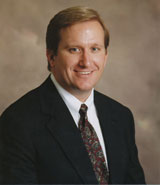 Dr. Harold W. Mohorn is a native of Greensboro, North Carolina. He received his B.S. Degree from Davidson College, his D.D.S. Degree at the University of North Carolina at Chapel Hill and his M.S. Degree in Endodontics from the University of Iowa. Dr. Mohorn has taught clinical endodontics at the University of Iowa and has served as a Clinical Assistant Professor in Endodontics at UNC-Chapel Hill. Dr. Mohorn lectures frequently and is a Diplomate of the American Board of Endodontics. He and his wife Amy have two daughters Heather and Emily, and a son Matthew.
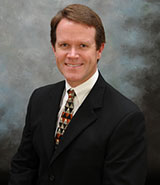 Dr. Steven G. Mohorn, a native of Greensboro, North Carolina, graduated from the University of North Carolina at Chapel Hill with a B.A. in Chemistry. He received his D.D.S. Degree and M.S. Degree in Endodontics from UNC-Chapel Hill. Dr. Steve Mohorn has published several articles and lectures often. He has served as President of the Guilford County Dental Society and the Third District of the North Carolina Dental Society. He is also a Diplomate of the American Board of Endodontics. He and his wife Kathryn have two sons Reed and Scott, and a daughter Louise.
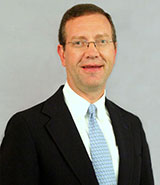 Dr. W. Kenneth Morgan, Jr. is a native of Jacksonville, North Carolina. He received his B.S. Degree in Zoology and his D.D.S. Degree from the University of North Carolina at Chapel Hill. After practicing family dentistry fourteen years, he attended the University of Louisville and earned his M.S. in Oral Biology and Certificate in Endodontics, where he also taught clinical endodontics. He is also a Diplomate of the American Board of Endodontics. He presently serves as an Adjunct Assistant Professor in the Department of Endodontics in the School of Dentistry at the University of North Carolina at Chapel Hill. Dr. Morgan and his wife Joy have a son Will, and two daughters Elizabeth and Kirkland.
 Dr. Matthew W. Baird is a native of Bloomsburg, Pennsylvania. He attended Penn State University where he received his B.S. Degree in Life Science. He earned his D.D.S. Degree from Chapel Hill, where he graduated with honors and was awarded the OKU membership in the National Dental Honor Society. He completed his training with his Endodontic Certification at the University of Texas in San Antonio. He has served as the President of the High Point Dental Society and is working towards a diplomate status with the American Board of Endodontics. He and his wife Carrie have two daughters Aislyn and Audrey, and a son Isaac.
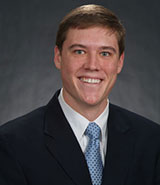 Dr. William D. Stanley grew up in Elkin, North Carolina. His family moved to the Greensboro area when Dr. Stanley was in high school. He attended UNC Chapel Hill, where he received his B.A. in Exercise and Sport Science. He earned his D.D.S. Degree from the UNC School of Dentistry and completed his training with his Endodontic Certification and Master of Science at The Ohio State University in Columbus, Ohio. His wife and high school sweetheart, Laura, practices as a speech therapist in Greensboro.
Dr. Leslie Malueg is a native of Bardstown, Kentucky. She received her undergraduate degree in Dental Hygiene, her DMD degree from the University of Kentucky and completed her Endodontic Specialty training at the University of Iowa. She has taught clinical endodontics at the University of Iowa and has served as a clinical associate professor in the department of Endodontics at the University of Louisville. Dr Malueg has served as president of the Kentucky Association of Endodontists and is working toward a diplomate status with the American Board of Endodontics. Dr Malueg is married to John and they have 2 sons, Taylor and Charles, and a daughter Madeline.
You may refer patients to our office by filling out our secure online Referral Form. After you have completed the form, please make sure to press the Submit button at the bottom to automatically send us your information. The security and privacy of patient data is one of our primary concerns and we have taken every precaution to protect it.
Please choose the office you would like to refer to below:

The office of Piedmont Endodontics is open Monday through Friday in Greensboro and High Point; Tuesday through Thursday in Asheboro; and Monday, Tuesday and Thursday in Kernersville. We will schedule your appointment as promptly as possible. If you have pain or an emergency situation, every attempt will be made to see you that day.
We try our best to stay on schedule to minimize your waiting. Due to the fact that our practice provides emergency services, various circumstances may lengthen the time allocated for a procedure. We appreciate your understanding and patience.
Please call Greensboro (336-288-0010), High Point (336-889-5656), Asheboro (336-629-1444) or Kernersville (336-423-5075) with any questions or to schedule an appointment.
To reach our office, please call (336) 288-0010.
To reach our office, please call (336) 288-0010.
To reach our office, please call (336) 288-0010.
To reach our office, please call (336) 288-0010.